
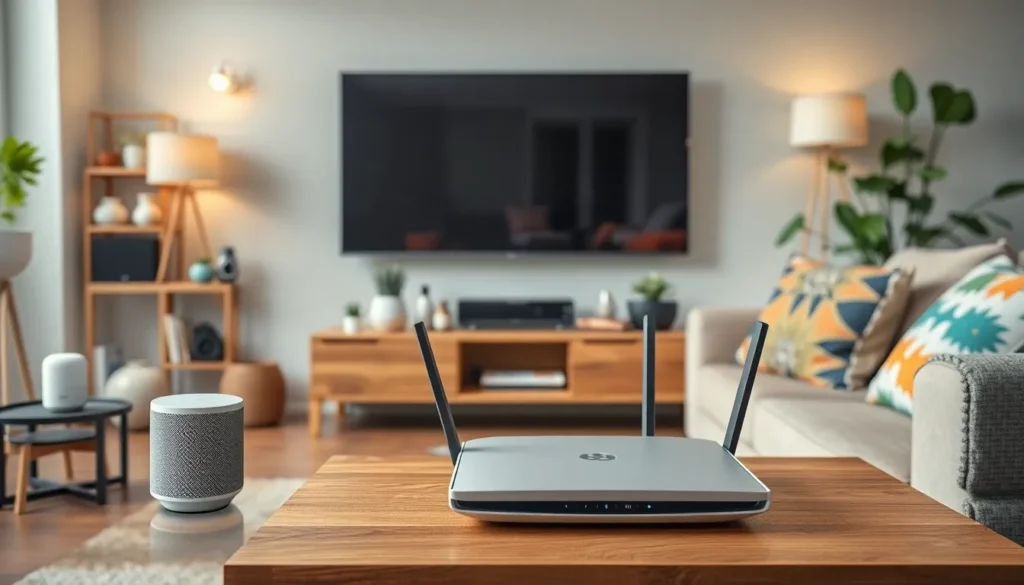
In a world where your fridge can text you when you’re out of milk, having a reliable smart home Wi-Fi network is no longer just a luxury—it’s a necessity. Imagine a life where your devices connect seamlessly, your streaming never buffers, and your smart gadgets work in perfect harmony. It’s like living in a sci-fi movie, minus the flying cars and awkward robot butlers.
Overview of Smart Home Wifi and Networking
A reliable smart home Wi-Fi network serves as the backbone for all connected devices. Smart home technology relies heavily on consistent signals to communicate effectively. High-speed internet enables seamless integration of gadgets, enhancing efficiency throughout the household. Coverage range influences how well devices connect in larger spaces. Homes with multiple floors or elaborate layouts often require additional hardware, such as range extenders or mesh systems.
Mesh networks provide robust coverage by using multiple nodes to distribute signals evenly. These systems adapt to user needs, ensuring every corner of the house receives a strong signal. Smart devices may experience performance issues without adequate bandwidth and reduced connectivity may disrupt streaming and automation processes. Understanding bandwidth consumption becomes essential when many devices operate simultaneously.
Security protocols figure prominently in smart home networking. Utilizing WPA3 encryption offers enhanced protection against unauthorized access. Regularly updating firmware strengthens device security and preserves user privacy. Avoiding default passwords is another straightforward step in protecting a smart home network.
Quality of Service (QoS) settings allow prioritization of bandwidth allocation for critical tasks, such as video calls or gaming. Users can configure these settings in routers to ensure essential functions receive sufficient resources. Connectivity doesn’t stop just at tablets and smartphones; numerous smart appliances, lighting systems, and wearable devices connect to the home network.
Importance of Smart Home Connectivity
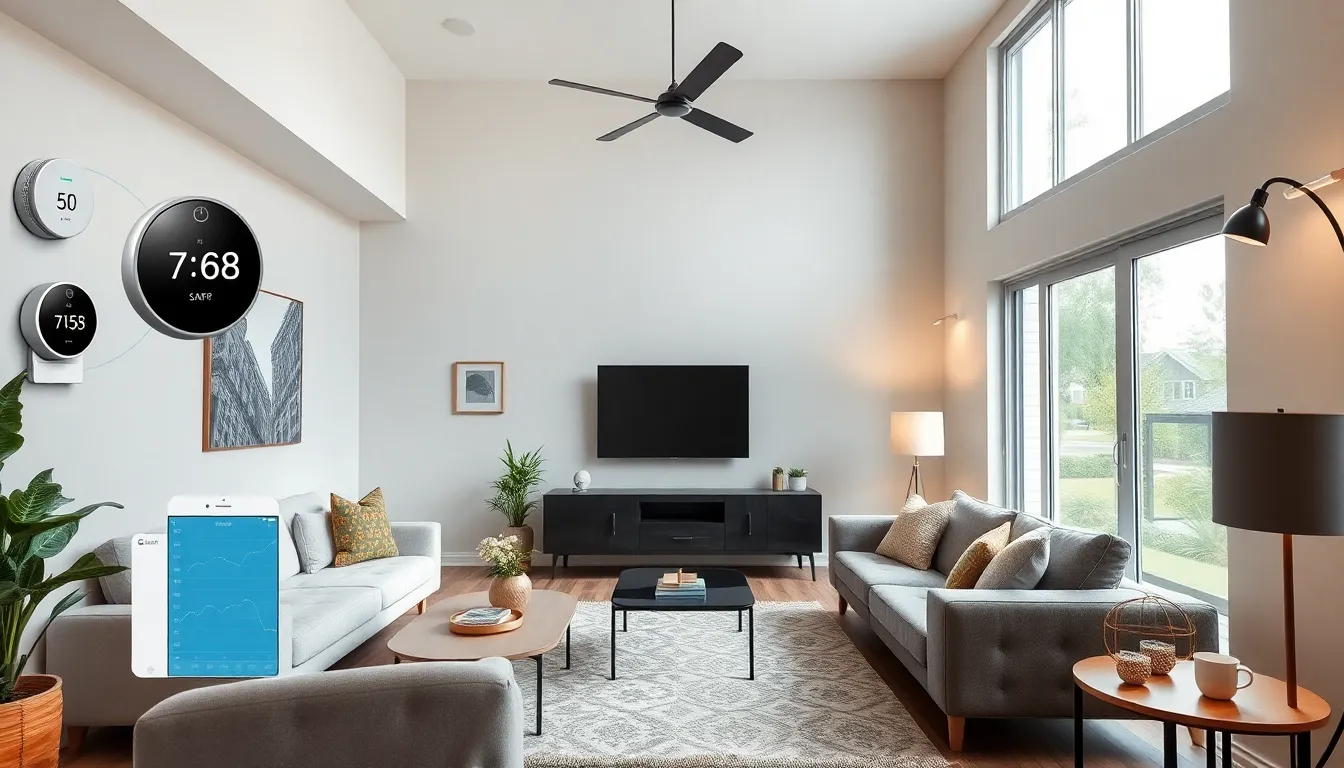
Reliable smart home connectivity is vital for a well-functioning environment. Dependable Wi-Fi ensures that devices communicate effectively, enabling better integration and performance.
Benefits of Reliable Wifi in Smart Homes
Enhanced connectivity improves device responsiveness, leading to seamless operations of smart appliances and systems. Increased bandwidth supports multiple devices simultaneously, from streaming high-definition videos to engaging in video calls. Users experience smoother control over their smart lighting, security systems, and thermostats, all contributing to overall convenience and efficiency. Quick access to the internet fosters real-time updates and automation features, enhancing security monitoring and energy management. Increased peace of mind stems from knowing devices work together effortlessly, creating a harmonious living space.
Common Networking Challenges
Signal interference can cause connectivity disruptions, especially in homes with thick walls or numerous electronic devices. Larger spaces may result in dead zones, where Wi-Fi signals struggle to reach. The increasing number of connected devices increases network congestion, reducing overall performance. Security vulnerabilities also pose significant risks as outdated protocols may expose the home to unauthorized access. Users might face difficulties managing device priorities, leading to lag during peak usage times. Upgrading equipment and optimizing configurations can mitigate these challenges, ensuring consistent and effective smart home performance.
Types of Smart Home Networking Solutions
Smart home networks can be categorized into wireless and wired solutions. Each type serves specific requirements, making it essential to choose the right one for seamless connectivity.
Wireless Solutions
Wireless solutions rely on Wi-Fi technology to connect smart devices. Wi-Fi routers and access points create signals that allow devices to communicate without physical connections. Mesh networks enhance this capability by using multiple nodes to provide extensive coverage across larger spaces. The convenience of mobility adds value, as users can easily relocate devices without hassle. Wireless solutions typically support a wide range of devices, from smart speakers to security cameras. Security protocols, such as WPA3, further protect these networks by encrypting data transmitted between devices. Overall, wireless solutions offer flexibility and ease of integration in modern smart homes.
Wired Solutions
Wired solutions utilize Ethernet cables for direct connections between devices and the router. These connections provide stable and faster internet speeds compared to wireless options. Often used for stationary devices, such as gaming consoles or home servers, wired solutions ensure minimal latency and high reliability. Network switches can expand the number of available connections, allowing multiple devices to connect seamlessly. Additionally, installing a structured cabling system enhances network performance by reducing signal degradation. Wired connections contribute to more secure networks, minimizing the risks of unauthorized access often associated with wireless solutions. In dynamic smart home environments, incorporating wired solutions strengthens overall connectivity and efficiency.
Enhancing Security in Smart Home Networks
Smart home networks require robust security measures to protect devices from unauthorized access and potential cyber threats. Using WPA3 encryption offers a high level of security that safeguards personal information. Regular firmware updates play a critical role in maintaining network integrity, preventing vulnerabilities that hackers might exploit.
Network segmentation can further enhance security within smart homes. By isolating smart devices from primary internet access, users reduce the risk of a full network breach. Implementing a guest network for visitors keeps the main network secure, preventing unauthorized access to sensitive information.
Device management also plays a crucial role in securing smart home networks. Users should routinely change default passwords to strong, unique ones for each device. Monitoring connected devices ensures that only authorized equipment accesses the network, reducing potential attack surfaces.
Investing in a firewall can provide an added layer of protection against external threats. Firewalls monitor traffic, blocking harmful entries while allowing legitimate data to flow freely. Additionally, enabling security alerts can notify users of any suspicious activity in real time, enabling immediate action.
Consistent assessment of security measures must occur. Regularly reviewing device settings and connection protocols enhances awareness of potential weaknesses. Using security-focused applications can help in managing and monitoring devices effectively.
Maintaining a secure smart home network requires dedication and proactive measures. Prioritizing security through encryption, password management, and consistent monitoring helps protect against cyber threats. By implementing these strategies, homes can enjoy the benefits of smart technology without compromising safety.
Future Trends in Smart Home Wifi and Networking
Smart home Wi-Fi and networking continue to evolve, reflecting users’ growing demands for seamless connectivity and security. Enhanced mesh systems, comprising multiple nodes, are becoming standard, addressing coverage in larger spaces where connectivity might falter. Increased focus on Internet of Things (IoT) devices necessitates improvements in bandwidth management. Trends show that users require networks capable of handling numerous devices simultaneously, which is essential for activities like high-definition streaming.
Security measures are also on the rise, with WPA3 encryption gaining traction among consumers. Regular firmware updates not only ensure device safety but also enhance performance. Network segmentation strategies are being implemented more frequently, allowing for better isolation of smart devices. Guest networks provide an additional layer of security, reducing the risk of unauthorized access.
Adaptive Quality of Service (QoS) settings provide users the ability to prioritize bandwidth for critical tasks. Innovations in smart home technology emphasize user-friendly management interfaces. Smart analytics tools can identify network traffic patterns, leading to optimized performance. Consumers are increasingly seeking solutions that simplify device management while enhancing connectivity.
Sustainability is another key trend in smart home networking. Energy-efficient routers and eco-friendly practices are in demand, reflecting broader societal shifts toward environmental responsibility. Future networks are predicted to integrate better with renewable energy sources, contributing to reduced carbon footprints in smart homes.
As technology advances, trends indicate that the integration of AI will play a crucial role in managing smart home networks. Intelligent algorithms will predict connectivity needs, self-adjusting settings to optimize performance. The interconnectedness of devices won’t just improve efficiency; it will also create a more automated and responsive living environment, enhancing overall quality of life.
A strong smart home Wi-Fi network is essential for modern living. It not only enhances device responsiveness but also ensures seamless integration across various smart technologies. By investing in both wired and wireless solutions users can achieve optimal performance and coverage.
Security remains a top priority as smart homes become increasingly connected. Implementing robust measures like WPA3 encryption and regular firmware updates is crucial for safeguarding networks against potential threats.
As technology evolves the future of smart home networking looks promising. Enhanced mesh systems and AI-driven management tools are set to revolutionize connectivity. Embracing these advancements will lead to a more efficient and secure smart home experience.