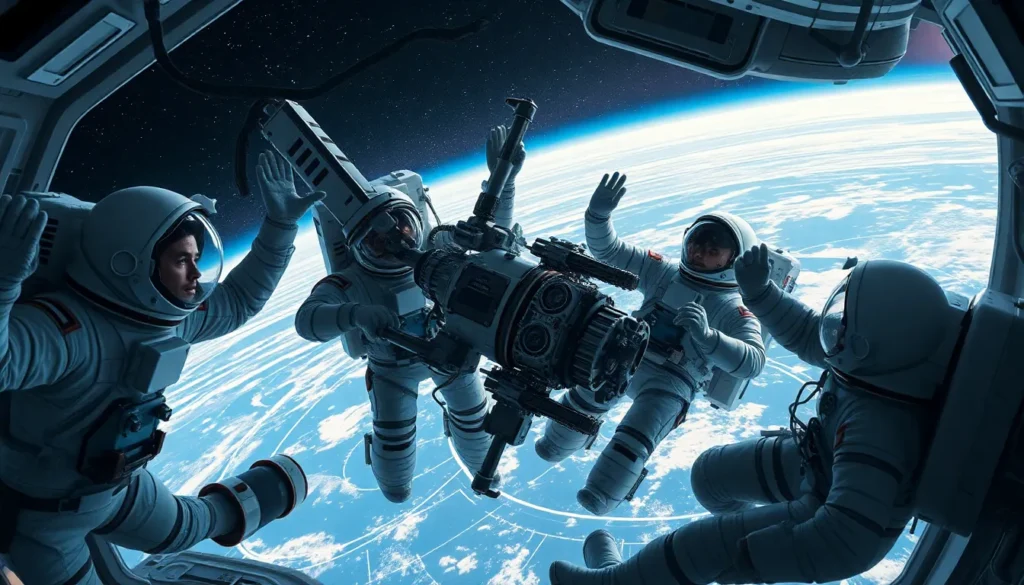
In the vast expanse of the cosmos, where even the slightest malfunction can lead to cosmic chaos, servicing space vehicles is no small feat. Imagine astronauts floating in zero gravity, trying to fix a malfunctioning satellite with nothing but a wrench and a prayer. Thankfully, they’ve got more than just a toolbelt and a can-do attitude. Cutting-edge technology swoops in like a superhero to save the day.
From advanced robotics to artificial intelligence, the tech used to service space vehicles is nothing short of extraordinary. These innovations not only keep our satellites and spacecraft in tip-top shape but also ensure that missions run smoothly and efficiently. So, buckle up as we take a humorous yet informative journey through the fascinating world of space vehicle servicing technology. Who knew that fixing a satellite could be as thrilling as a sci-fi blockbuster?
Overview of Space Vehicle Servicing
Space vehicle servicing involves complex operations that ensure the functionality and longevity of various equipment. Advanced robotics plays a significant role, allowing for precise movements while conducting repairs. Innovations in artificial intelligence support decision-making, optimizing repair procedures in real-time.
Robotic arms equipped with specialized tools enable astronauts to perform intricate tasks in challenging environments. Autonomous drones conduct inspections and assist in repairs, enhancing efficiency. NASA’s Restore-L program demonstrates the use of robotic systems for satellite servicing, targeting maintenance and upgrades of satellites in orbit.
Numerous technologies converge to facilitate successful servicing operations. 3D printing allows astronauts to create replacement parts in space, minimizing the need to transport everything from Earth. Augmented reality provides crucial overlays to assist astronauts during repair processes, improving accuracy and reducing errors.
Training programs emphasize preparing astronauts for zero-gravity repairs, ensuring seamless adaptation to unique conditions. Communication technologies also enhance remote support, enabling engineers to guide on-site personnel through repairs.
Innovative solutions like docking systems for spacecraft streamline the servicing process, allowing multiple vehicles to interact effortlessly. Ultimately, ongoing advancements in technology continue to shape the future landscape of space vehicle servicing, making missions more efficient and effective.
Types of Technologies Used
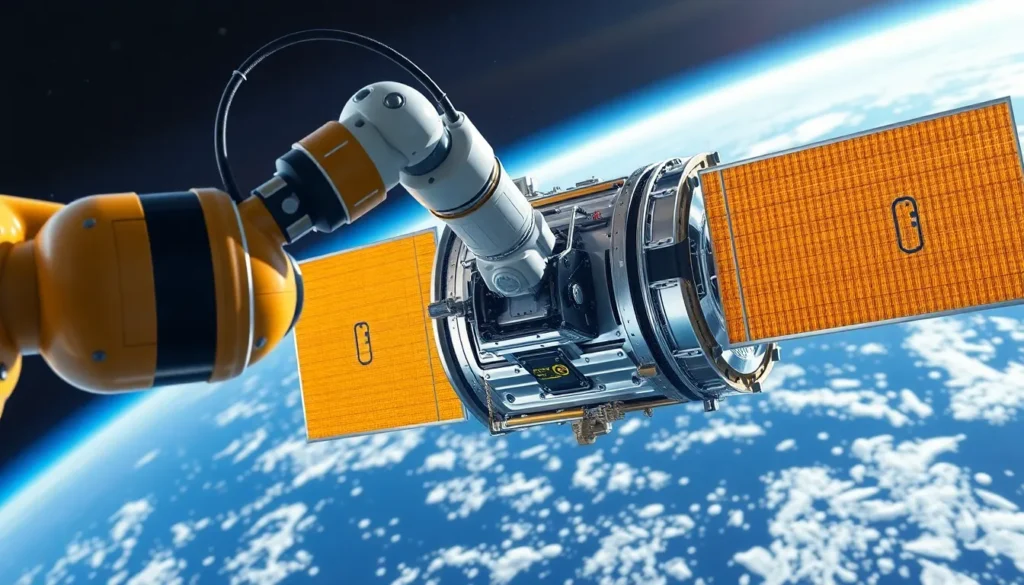
Numerous technologies enhance the servicing of space vehicles and equipment. These innovations play vital roles in maintaining functionality and ensuring mission success.
Robotic Systems
Robotic systems dominate the field of space vehicle servicing. Equipped with advanced sensors, these robots execute complex maneuvers in microgravity. Examples include robotic arms that perform repairs and conduct maintenance tasks autonomously. NASA’s Restore-L program exemplifies their use by employing robotic technologies for satellite upgrades. Precision in movement ensures that even the most delicate operations succeed without incident. Through automation, these systems minimize the risk faced by astronauts during maintenance efforts.
Automated Tools
Automated tools significantly improve servicing efficiency. Such tools include specialized wrenches that adjust torque settings automatically. They enable consistent performance and reliability under challenging conditions. Remote-controlled devices permit engineers to operate tools from Earth, further elevating the safety of astronauts in space. Integration of these tools with augmented reality systems provides real-time visual aids, guiding technicians through intricate procedures. Collectively, these automated solutions reduce human error and enhance overall mission productivity.
Maintenance Procedures
Effective maintenance procedures play a critical role in servicing space vehicles. These protocols ensure reliability and functionality, even in challenging environments.
Regular Inspections
Regular inspections of space vehicles prevent potential failures. Technicians schedule routine checks to assess the condition of various components. Advanced sensors monitor systems and provide real-time data. In addition, visual inspections verify the integrity of critical hardware. For instance, coatings on spacecraft undergo evaluations to ensure they withstand harsh conditions. Early detection of wear and tear enhances mission success rates. Inspections performed by robotic systems minimize risks to astronauts, allowing them to focus on essential repairs.
Predictive Maintenance
Predictive maintenance employs data analytics to forecast when components might fail. By analyzing data from sensors, engineers assess wear patterns and performance metrics. Predictive algorithms determine optimal servicing schedules. This approach reduces unplanned downtimes and extends the lifespan of equipment. For example, NASA has implemented predictive maintenance models for its spacecraft to streamline operations. Incorporating artificial intelligence improves the accuracy of predictions. Ultimately, embracing predictive maintenance techniques leads to efficient resource management and cost savings in servicing space vehicles.
Advances in Space Servicing Technology
Advancements in technology significantly enhance the servicing of space vehicles. Innovations in robotics and the role of AI and machine learning play pivotal roles in this field.
Innovations in Robotics
Robotic systems perform complex tasks in space with precision. NASA’s robotic arms conduct repairs autonomously, reducing risks to astronauts. Drones equipped with advanced sensors carry out inspections and maintenance roles. Enhanced mobility allows these robots to navigate microgravity environments efficiently. Remote operation capabilities enable technicians on Earth to assist in real time. Modular designs of robotic components allow for easy upgrades and repairs. Robotics increasingly streamline operations, making servicing processes more effective and reliable.
The Role of AI and Machine Learning
AI and machine learning optimize decision-making during space missions. Algorithms analyze data from multiple sources to predict component failures. Adaptive systems adjust their strategies based on real-time environmental changes. AI enhances robotic systems, enabling them to learn from previous tasks and improve their performance. Machine learning techniques allow for proactive maintenance scheduling, ensuring spacecraft remain operational. Communication systems utilize AI for efficient remote troubleshooting, keeping missions on track. Continuous advancements in AI significantly improve the efficacy of space vehicle servicing operations.
Future Trends in Space Vehicle Servicing
Emerging technologies are set to revolutionize space vehicle servicing. Robotics plays a crucial role, with next-generation robotic systems designed for complex tasks in microgravity. These advanced robots utilize artificial intelligence for enhanced decision-making. NASA’s ongoing projects focus on refining these systems, ensuring they adapt to rapidly changing environments.
Autonomous drones are becoming standard tools for inspections and maintenance. With their agility in low-gravity conditions, they execute tasks that were once challenging for astronauts. Remote-based technicians now assist real-time with robotic systems, bridging gaps between Earth and space.
3D printing technology is shaping the manufacturing of spare parts directly in space. This approach reduces the need for transporting replacement components, ultimately minimizing mission costs. Integration of augmented reality aids astronauts during repairs, providing visual overlays that simplify complicated procedures.
Predictive analytics drives maintenance scheduling. AI analyzes data collected from spacecraft components, forecasting potential failures before they occur. This proactive approach extends the lifespan of vital hardware and optimizes resource allocation.
Innovative docking systems enhance vehicle interactions during servicing. These systems allow for quicker and more efficient maintenance of various spacecraft. The modular design of robotic components supports adaptable upgrades, maintaining the cutting-edge functionality of servicing tools.
All these trends emphasize a shift towards automation and smarter systems in space vehicle servicing. Continuous advancements in AI, robotics, and manufacturing technologies promise to enhance efficiency and safety in future missions. Each development brings us closer to a seamless, fully automated servicing process that ensures the reliability of space operations.
The future of space vehicle servicing is bright and filled with potential. As technology continues to advance, the integration of robotics, artificial intelligence, and innovative materials will redefine how missions are conducted. These advancements not only enhance the safety and efficiency of repairs but also extend the operational lifespan of critical equipment in space.
With the ongoing development of autonomous systems and real-time support technologies, astronauts can focus more on their missions while relying on sophisticated tools for maintenance. The shift toward automation and smarter systems signifies a new era in space exploration, promising exciting possibilities for upcoming missions and the continued push into the final frontier.