
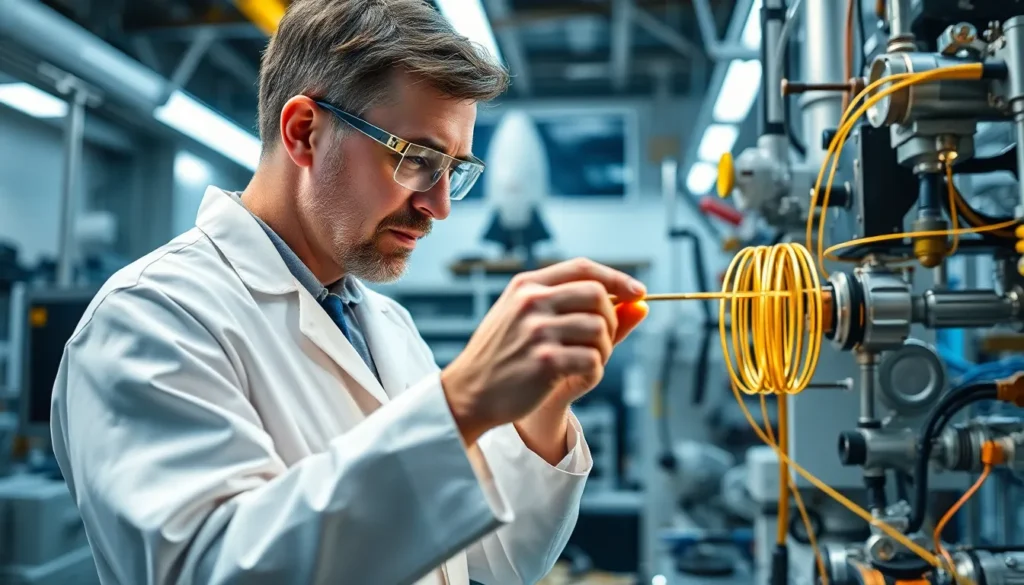
When it comes to space technology, gold isn’t just a shiny accessory for astronauts. It plays a crucial role in keeping spacecraft and satellites functioning in the harsh environment of outer space. Imagine trying to survive a cosmic cold snap without your favorite thermal blanket—gold does just that for sensitive equipment, reflecting heat and protecting it from extreme temperatures.
But wait, there’s more! Gold’s impressive conductivity makes it the superhero of electrical connections in space. It’s like the ultimate party host, ensuring signals flow smoothly without any awkward silences. So next time you gaze at the stars, remember that gold isn’t just a treasure; it’s a vital player in the cosmic game of technology. Who knew that a little bling could help humanity reach for the stars?
Understanding Gold’s Unique Properties
Gold possesses several unique properties that make it invaluable in space technology. Its characteristics contribute significantly to the performance and reliability of spacecraft and satellites.
Resistivity and Conductivity
Gold exhibits low electrical resistivity, ensuring efficient electrical conduction. This quality makes gold suitable for use in critical components like wiring and connectors. Devices that require stable and reliable operation benefit from gold’s superior conductivity. Thin gold coatings enhance electrical connections, reducing energy loss in circuits. These attributes improve overall system performance in space equipment, allowing for seamless communication and power delivery.
Corrosion Resistance
Gold shows remarkable resistance to corrosion, crucial for prolonged missions in harsh environments. Exposure to extreme temperatures and various atmospheric conditions won’t compromise gold’s integrity. Component longevity increases because gold does not oxidize, ensuring continued functionality. Equipment operates reliably in space without worrying about degradation. Gold’s natural resistance provides a protective layer, making it an ideal choice for vital components in spacecraft and satellite applications.
Applications of Gold in Space Technology

Gold plays a crucial role in various space technology applications, ensuring optimal performance and durability of equipment. Its distinctive properties make it invaluable for electrical connectors and thermal coatings.
Electrical Connectors and Components
Gold’s excellent conductivity guarantees efficient electrical connections in spacecraft and satellites. Connectors made from gold minimize energy loss due to low electrical resistivity, enhancing system performance. Additionally, gold’s resistance to corrosion extends the life of critical components, which is vital for long-duration missions. The use of gold-plated wiring ensures reliable signals and power distribution, thus maintaining overall functionality in the harsh space environment. Reliable connections in electronics become increasingly important as they directly affect mission success.
Thermal Coatings
Gold’s reflective properties allow it to serve effectively as a thermal coating. Spacecraft utilize gold to shield sensitive equipment from extreme temperatures. By reflecting solar radiation, gold prevents overheating and protects against excessive thermal stress. This attribute proves essential, as satellites often operate in harsh environments, where temperature fluctuations can be drastic. Gold-coated surfaces contribute to maintaining optimal operating conditions, ensuring the longevity and reliability of space systems. Over time, these thermal management solutions significantly enhance mission outcomes.
Benefits of Using Gold in Space Missions
Gold plays an essential role in enhancing the reliability and performance of space technology. Its unique properties contribute to successful mission outcomes.
Reliability and Longevity
Gold’s resistance to corrosion ensures components maintain integrity over time. Numerous missions benefit from this durability, as gold does not degrade in harsh environments. Effective insulation and long-lasting connections characterize gold-plated wiring and connectors, which help extend the operational life of critical equipment. Superior conductivity promotes consistent electrical signals, further bolstering reliability. By preserving functionality, gold facilitates sustained operations, ultimately enhancing mission success rates.
Performance in Extreme Conditions
In extreme conditions, gold excels at thermal management. This metal reflects heat, serving as an effective shield for sensitive equipment. When spacecraft encounter intense temperatures, gold prevents overheating and protects vital instruments. Enhanced performance manifests in space systems that rely on gold for efficient thermal regulation. Equipment designed with gold finishes shows improved operational capabilities, essential for long-duration missions. Extreme environments pose challenges, but gold’s unique properties offer significant advantages, ensuring system functionality remains intact.
Challenges and Considerations
Space technology benefits from gold, yet challenges exist. Cost remains a primary factor in its use. Gold prices fluctuate due to supply and demand dynamics, impacting budgets for missions. Research suggests alternatives may lower expenses, but they often lack the performance that gold offers. The investment in gold can yield long-term returns in reliability and durability.
Sourcing gold also raises questions about availability and sustainability. Mining operations often have environmental implications, prompting discussions on responsible sourcing practices. Manufacturers prioritize recycled gold to promote sustainability, ensuring minimal impact on ecosystems. Increasing focus on sustainable practices influences the decision-making process for companies engaged in space technology. Balancing performance with ecological responsibility remains essential as the industry evolves.
Gold’s unique properties make it indispensable in space technology. Its ability to reflect heat protects sensitive equipment from extreme temperatures while ensuring efficient electrical connections enhances overall system performance. The durability and corrosion resistance of gold contribute to the longevity of critical components, vital for long-duration missions.
As the space industry continues to evolve, the balance between performance and sustainability remains crucial. The focus on recycled gold reflects a commitment to ecological responsibility without compromising the reliability needed for successful missions. Gold’s role in space technology underscores its importance not just as a material but as a key player in advancing exploration beyond our planet.