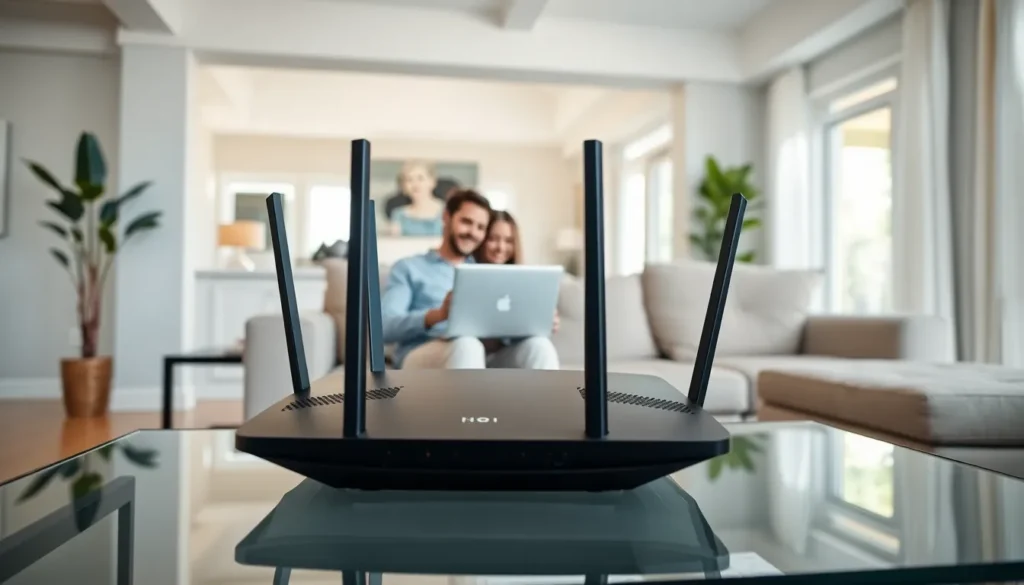
In today’s world, a strong home network isn’t just a luxury; it’s a necessity. With smart devices popping up like mushrooms after rain, having a reliable connection can feel like a game of Wi-Fi roulette. Who hasn’t experienced the frustration of buffering during the climactic scene of their favorite show? Advanced home networking solutions are here to save the day, ensuring seamless streaming, gaming, and browsing.
Imagine transforming your home into a tech-savvy fortress where dead zones are banished and connectivity reigns supreme. From mesh networks to powerline adapters, these solutions not only boost performance but also add a sprinkle of magic to your digital life. Embrace the future of home networking and say goodbye to those awkward moments of “Can you hear me now?” It’s time to level up your connectivity and turn your home into the ultimate smart haven.
Overview of Advanced Home Networking Solutions
Advanced home networking solutions provide enhanced connectivity for smart devices and improve overall performance. Mesh networks serve as a popular choice, covering larger areas without dead zones. Each mesh node communicates with others, ensuring seamless internet access throughout the home.
Powerline adapters offer an alternative method by utilizing existing electrical wiring to transmit data. This approach often reaches areas where traditional Wi-Fi signals struggle. Users can benefit from greater stability and speed in hard-to-reach spaces.
Moreover, Wi-Fi 6 technology introduces features like increased capacity and improved efficiency. Devices connected to a Wi-Fi 6 network experience reduced latency, which is crucial for activities like online gaming and video conferencing. Enhanced security features also protect sensitive information, ensuring safer online experiences.
Additionally, having a robust network demands attention to router placement and quality. Opting for a high-performance router can significantly boost signal strength across the home. Specialized antennas and beamforming technology further concentrate the signals toward connected devices, optimizing their performance.
Lastly, integrating smart home hubs enhances connectivity for various gadgets. Smart hubs act as a central point for controlling smart devices, streamlining communication between them. By leveraging these advanced solutions, homeowners can create efficient, reliable networks tailored to their specific needs.
Key Technologies

Advanced home networking relies on several key technologies to enhance connectivity and performance. These innovations address the growing demands of smart devices in households.
Wi-Fi 6 and Beyond
Wi-Fi 6 enhances home networking with its capacity for more simultaneous connections. This technology enables multiple devices to stream and game without slowing down. Improved efficiency results from its ability to allocate bandwidth dynamically, prioritizing high-demand applications. Security measures in Wi-Fi 6 include WPA3 encryption, which protects data from unauthorized access. As newer standards emerge, such as Wi-Fi 6E, homeowners benefit from additional channels, increasing overall speed and performance.
Mesh Networking Systems
Mesh networking systems eliminate dead spots through a network of interconnected nodes. Each device communicates seamlessly, ensuring consistent coverage throughout the home. Adding additional nodes increases coverage range, providing flexibility in unit placement. These systems simplify management with user-friendly apps for setup and monitoring. Efficient traffic handling means a reliable connection for multiple users, making them ideal for busy households with various smart devices.
Benefits of Upgrading
Upgrading one’s home networking solutions leads to significant improvements in technology performance and user experience. Enhanced speed and reliability peak interest for many users seeking seamless connectivity.
Enhanced Speed and Performance
Upgrading to advanced networking solutions, particularly those utilizing Wi-Fi 6 technology, transforms internet experience. Increased capacity accommodates multiple devices, allowing smoother streaming, gaming, and video calls. Data transfer speeds of up to 9.6 Gbps allow quicker uploads and downloads. Furthermore, dynamic allocation of bandwidth prioritizes high-demand applications, ensuring users enjoy uninterrupted performance. This technology easily handles network congestion, as numerous devices connect simultaneously without degradation of speed.
Improved Coverage and Reliability
Improved coverage and reliability emerge as key advantages for upgraded networking systems. Mesh networks excel in eliminating dead zones across larger areas. Each node communicates effectively with others, providing consistent signal strength throughout the home. Extended coverage enhances performance, even in challenging environments like basements or attics. Additionally, using powerline adapters ensures data transmission reaches remote areas, leveraging existing electrical wiring. Reliable connections foster productivity, offering a stable network for smart home devices and everyday use.
Designing Your Home Network
Designing a home network requires careful consideration of layout and equipment. A thoughtful setup ensures optimal performance and connectivity for all devices in the home.
Planning Your Network Layout
Planning begins with identifying areas that require coverage. Users should map out the home layout, noting rooms and devices that rely on internet access. Dead zones often occur in spaces far from the router, so positioning becomes critical. Connecting devices like smart TVs and gaming consoles directly via Ethernet cables can boost speeds. Establishing multiple access points through a mesh network effectively extends coverage. Testing signal strength in various locations helps discover optimal placement.
Selecting the Right Equipment
Selecting equipment impacts network performance significantly. High-performance routers with Wi-Fi 6 technology enhance speed and capacity. Mesh networking systems alleviate dead zones by providing multiple access points. Users may want to consider powerline adapters, especially if certain rooms lack Wi-Fi signal strength. Investing in specialized antennas can also improve range and signal quality. When choosing equipment, compatibility with existing devices should factor into the decision. Ensuring top-quality equipment lays the foundation for a reliable, high-speed home network.
Common Challenges
Advanced home networking solutions face several common challenges. Users often experience connectivity and interference issues that disrupt their services.
Interference and Connectivity Issues
Interference from various household devices affects network performance. Microwaves and cordless phones can interrupt Wi-Fi signals, leading to slower speeds and dropped connections. Multiple walls and floors also weaken Wi-Fi signals as they travel throughout a home. These obstacles can cause frustrating experiences for users streaming, gaming, or video conferencing. Solutions like mesh networks and powerline adapters help combat these issues, providing more reliable connections and coverage in difficult areas.
Security Concerns
Security matters significantly in the realm of advanced home networking. Many users worry about unauthorized access to their networks, especially with multiple connected devices. Cyber threats have become more sophisticated, making it essential to utilize strong passwords and up-to-date encryption methods. Implementing WPA3 encryption offers better protection against hacking attempts. Regularly updating router firmware also enhances security, addressing vulnerabilities as they arise. Protecting personal data through these security measures is crucial in today’s increasingly connected environment.
Investing in advanced home networking solutions is essential for anyone looking to enhance their digital experience. With the rise of smart devices and the demand for reliable connectivity, upgrading to technologies like mesh networks and Wi-Fi 6 can make a significant difference. These innovations not only improve speed and coverage but also ensure security and efficiency across multiple devices.
By strategically planning network layouts and selecting high-performance equipment, users can eliminate dead zones and enjoy seamless streaming, gaming, and video conferencing. As technology continues to evolve, staying informed about the latest networking solutions will empower individuals to create a robust and efficient home network tailored to their needs.