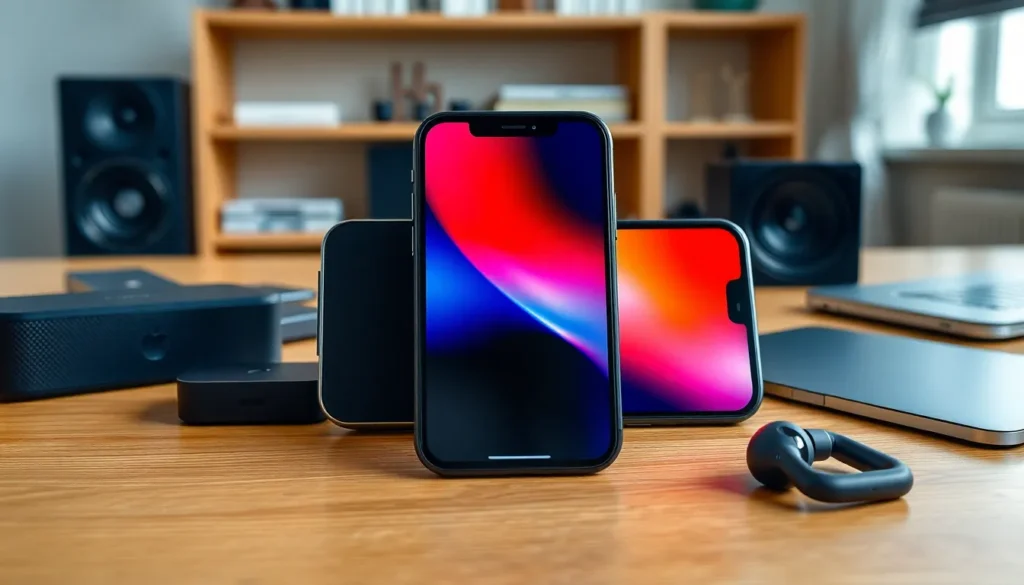
The iPhone X has been a beloved gadget since its debut, but as technology zooms ahead, many are left wondering: can this classic beauty keep up with the 5G revolution? With lightning-fast internet speeds becoming the norm, it’s only natural to question if this iconic device can handle the heat or if it’s destined to be left in the dust.
Picture this: you’re scrolling through social media, and suddenly your phone feels like it’s running a marathon in slow motion. Frustrating, right? While the iPhone X boasts impressive features, its compatibility with 5G networks isn’t one of them. Let’s dive into the details and find out if it’s time to upgrade or if the iPhone X can still hold its own in today’s fast-paced world.
Overview of iPhone X Specifications
The iPhone X, released in 2017, boasts impressive specifications. Its design, display, and internal components cater to a wide range of user needs.
Technical Features
The iPhone X features a 5.8-inch Super Retina display with a resolution of 1125 x 2436 pixels. This OLED screen provides vibrant colors and sharp contrast. Powered by the A11 Bionic chip, the device offers robust performance and efficiency. The dual-camera system includes a 12MP wide-angle and telephoto camera, enabling high-quality photos and 4K video recording. Storage options come in 64GB and 256GB variants, allowing users flexibility in data management.
Network Compatibility
Users should note that the iPhone X only supports 4G LTE networks. This means it lacks support for 5G technology, which limits its capability to leverage faster internet speeds. Compatible with various carrier networks, the device excels in areas with strong 4G coverage. Transitioning to 5G could enhance the overall digital experience, making newer models more appealing for users seeking higher data speeds.
Understanding 5G Technology
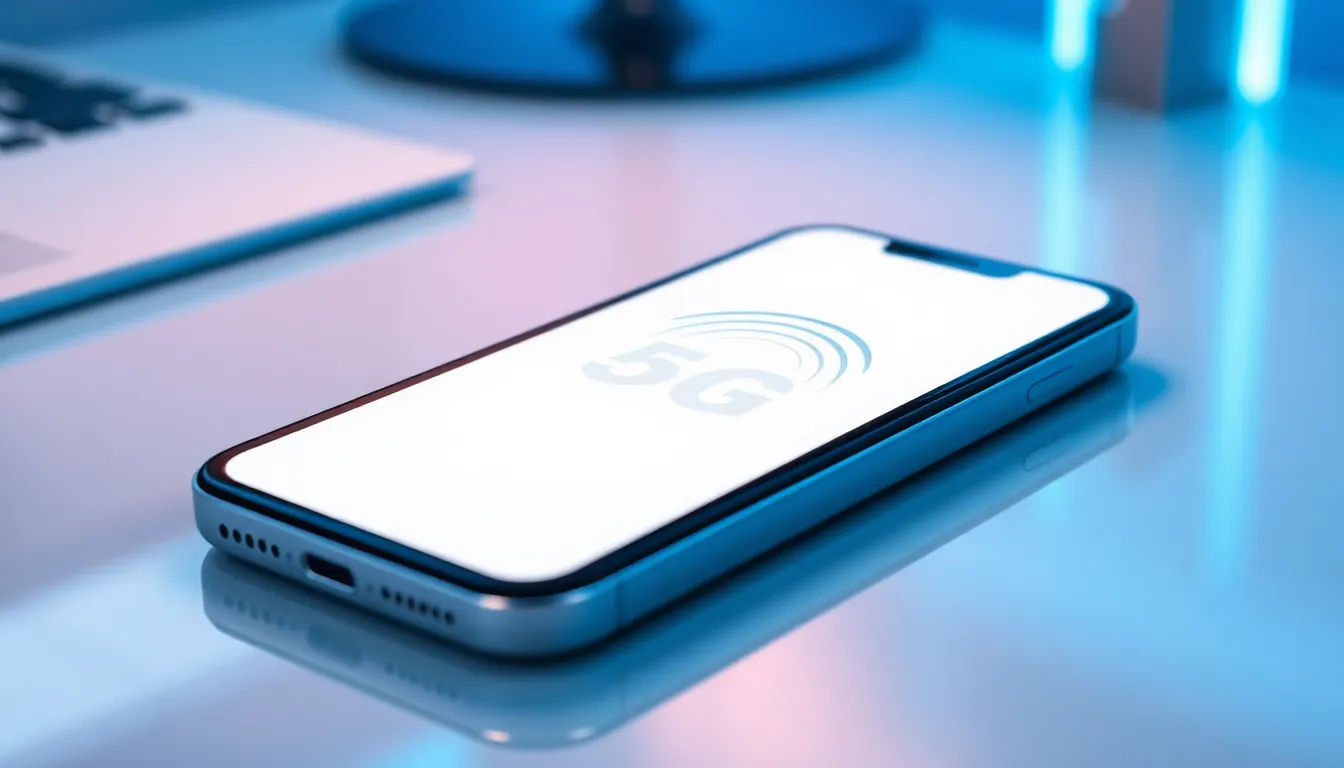
5G technology represents the next generation of mobile networks, providing faster data speeds and improved connectivity. Understanding its implications enhances users’ experiences with digital devices.
What is 5G?
5G stands for fifth generation mobile network technology. It operates on higher frequency bands, enabling faster data transfer and lower latency. Significant improvements in network capacity differentiate 5G from previous generations. While 4G offers download speeds up to 100 Mbps, 5G can reach speeds exceeding 10 Gbps. This advancement allows for a wider range of applications, including enhanced virtual reality experiences and improved smart city infrastructure.
Benefits of 5G Connectivity
5G connectivity brings numerous advantages to users. Firstly, quicker download speeds facilitate seamless streaming of high-definition content. Real-time communication becomes possible with reduced latency, enhancing online gaming and video calls. Expanded bandwidth supports a greater number of connected devices without compromising performance. Smart homes thrive with 5G since more devices can operate simultaneously, improving efficiency. Businesses also benefit through optimized operations and better remote collaboration tools, driving innovation across various industries.
iPhone X and 5G Compatibility
The iPhone X lacks 5G compatibility, which limits its functionality in today’s rapid technological landscape. Many users enjoy the sleek design and specifications, yet hardware limitations prevent it from accessing 5G networks.
Hardware Limitations
The iPhone X runs on the A11 Bionic chip, which powers its performance on 4G LTE networks. Lacking the necessary components for 5G capability, such as advanced antennas and modems, the device cannot support the higher frequency bands required for 5G. Unlike newer models equipped with 5G hardware, the iPhone X’s dual-camera setup and internal architecture remain tailored for a previous generation of mobile data. This results in slower data speeds and reduced performance in environments where 5G is available.
Software Considerations
Software updates enhance device functionality, but the iPhone X cannot utilize 5G networks. Operating on iOS, the device receives regular updates, but enhancements don’t enable access to 5G. As more apps emerge that require faster connections, users may find that software limitations hinder their experience. Current software developments focus on optimizing 5G services, emphasizing the growing divide between older and newer iPhone models. Users wanting to fully enjoy 5G capabilities should consider upgrading their devices to stay current with evolving technology.
Alternatives to iPhone X for 5G
Users seeking 5G compatibility may find several compelling alternatives to the iPhone X. Many newer smartphone models support 5G technology, providing enhanced performance and connectivity options.
Newer iPhone Models
The iPhone 12 and later models, such as the iPhone 13 and iPhone 14, offer 5G support. Each of these devices features the A14 and A15 Bionic chips, ensuring robust processing power. Enhanced camera systems improve photography and videography experiences. The iPhone 12, specifically, introduced a Ceramic Shield front cover for added durability. Various storage options, ranging from 64GB to 1TB, cater to diverse user needs. Users benefit from improved battery life and access to the latest iOS updates, which optimize 5G connectivity.
Other Brand Options
Samsung Galaxy smartphones represent another excellent choice for 5G compatibility. Models like the Galaxy S21 and Galaxy Note 20 come equipped with powerful Snapdragon 888 or Exynos 2100 processors. Each device supports a range of 5G frequencies, ensuring global roaming capabilities. Users appreciate features such as high refresh rate displays and advanced camera technology. Google Pixel devices, like the Pixel 5 and Pixel 6, also provide 5G functionality along with a clean Android experience. Each option showcases competitive pricing and innovative features, ensuring users can find suitable alternatives to the iPhone X.
The iPhone X stands as a testament to Apple’s innovation but falls short in the 5G era. Users seeking the fastest internet speeds and enhanced connectivity will find its 4G LTE capabilities limiting. As technology evolves and more applications demand higher bandwidth, the need for 5G compatibility becomes increasingly critical.
For those who value cutting-edge performance and seamless digital experiences, upgrading to a newer model is a wise choice. With options like the iPhone 12, 13, and 14, users can enjoy the benefits of 5G technology and improved features. Ultimately, while the iPhone X remains a stylish and functional device, it may not be the best fit for users looking to embrace the future of mobile connectivity.